Have questions about your installation? XTRONS Installation Advice Group

Linux Stereos – A Welcome Return
Linux or Android? As Linux stereos start to make their comeback into an Android-dominated market, we explore why…
A Sleeping Giant Returns
For years, the aftermarket infotainment conversation was all about Android head units, and for good reason. Slick operating systems, familiar apps, and familiar “smartphone-style” operation. But in 2026, Linux-based stereos are steadily starting to reappear - not because Android is failing, far from it, but because the market is maturing and priorities are changing. As vehicles get more complex and customers expect more “OEM-like” behaviour from their in-car tech, installers and distributors are placing greater value on speed, stability, and predictable long-term performance. In other words, the basics matter again. Linux, especially when engineered as an industrial-grade system rather than a generic consumer computing platform, is the perfect platform to do this with.

1) Faster boot times for better daily use
Nothing undermines a premium in-car experience like waiting for the system to wake up. Many Linux stereos are designed with highly optimised boot sequences and low-power standby states. This may sound technical; the result is a user experience that feels immediate: fast wake, fast camera response, and fewer “please wait” moments—exactly what drivers are used to from their modern OEM infotainment.

2) Focused feature sets for better stability
Why do people go on about the rock-solid use of older, obsolete tech? It’s because it’s not trying to do everything at once. The curse of the smartphone means that all that amazing technology ends up bloated by lots of stuff you don’t need and won’t use. Similarly, you very likely don’t necessarily want or need thousands of downloadable apps inside your car stereo. What you do want is consistent performance for core functions - basic stuff like audio, radio, Bluetooth, phone projection, navigation and any reversing cameras. Linux systems are often built to do these key jobs with fewer background processes and less software load, which translates to fewer crashes, fewer slowdowns over time, and fewer support headaches.

3) Lower standby drain and vehicle-friendliness
Did you know that all these mod cons can affect your car’s battery life? As more cars sit parked with multiple ECUs in low-power states, standby current unfortunately becomes a real-world consideration. A well-designed Linux architecture can be extremely efficient in standby, helping reduce battery anxiety for drivers and reducing troubleshooting for installers. Again, it’s down to retaining what you use, and jettisoning what you don’t.
A practical comparison
That’s not to say, however, that Android doesn’t have its strengths as well. It’s been the market leader (by far!) for many years now, and there are plenty of good reasons why. Firstly, Android systems have an enormous app ecosystem, with specialised software encompassing anything you could wish to do. Furthermore, Android users make up the vast majority of smartphone users with a market share of around 72% worldwide. This is to say that people know what they’re doing with it. The built-in customisation and UI tools also make Android very powerful, allowing users to tweak things to their liking. This is especially important when using it for other tech, such as in a car-stereo, where the system’s flexibility makes it a perfect platform. This ease-of-use makes it easy to position an Android unit as an “all-in-one” solution, allowing users and manufacturers to adapt it to their needs.

So, why Linux then?
As discussed, Linux typically has faster and more consistent “wake up” cycles, as well as more predictable, stable performance over long periods of time. Units built on the platform also offer simpler maintenance, with less “app sprawl” to clog processors and slow things down. Given how specialised a car stereo's job is, Linux can be better at the more discrete, focused tasks, rather than simply offering more power that might never be used usefully. It’s a very particular tool for a very particular job, and despite its “less powerful” nature, it can often result in better performance because of the way it works.
Linux x XTRONS
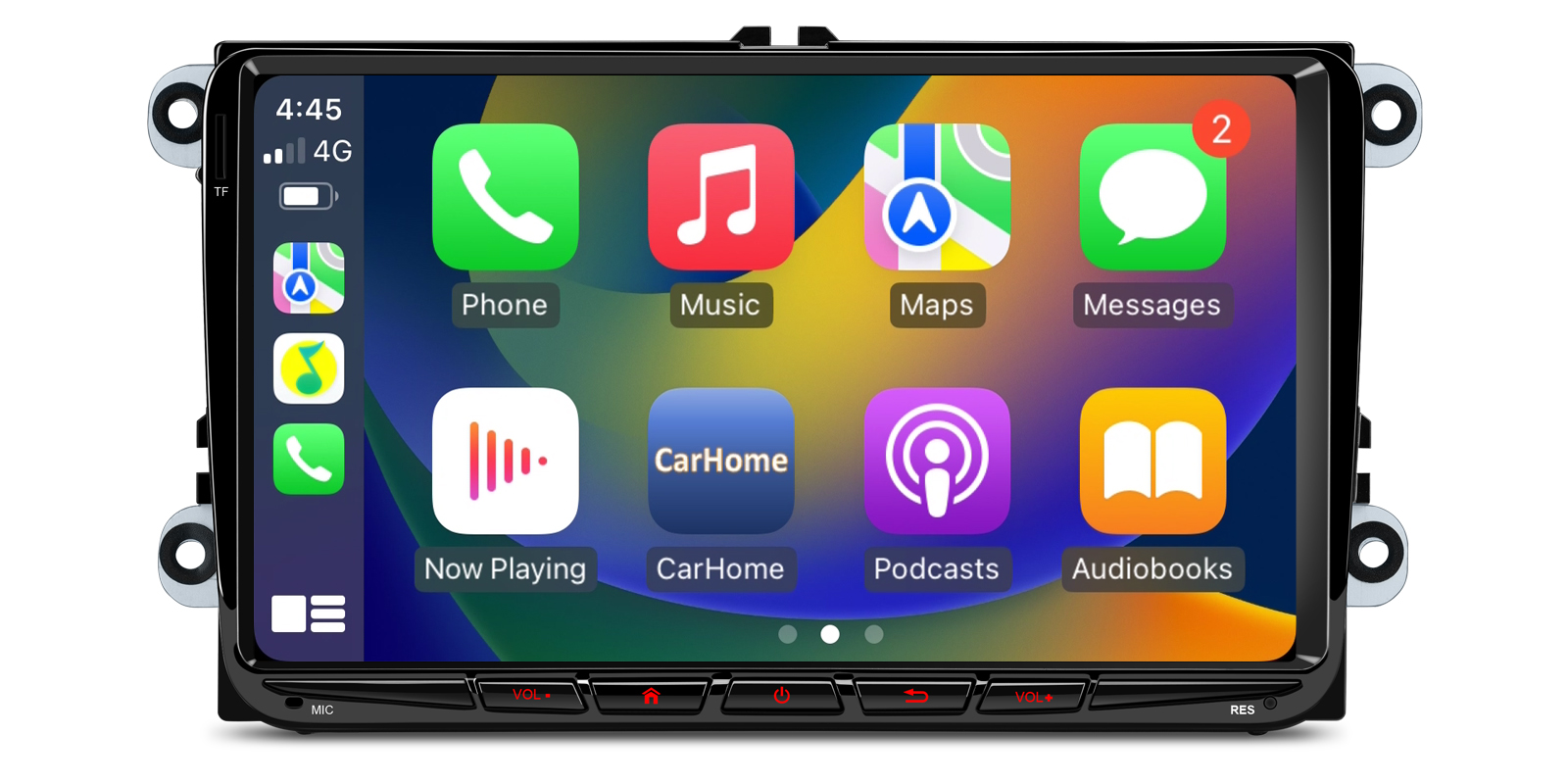
The new PL9MTVL, for VW, Škoda and Seat, offers users a simple and elegant head unit with a perfectly-sized 9-inch QLED screen. Everything about its spec is geared towards everyday performance, giving you everything you need and nothing you don’t. It boots and responds extraordinarily quickly and still retains all the connectivity and built-in tech you might require; Apple CarPlay and Android Auto with voice control, Bluetooth 5.0, built-in DSP audio, support for HD reversing cameras and RCA I/O, as well as optional decoding for steering wheel controls and OEM info displays. It’s a perfect illustration of how the technology works in context, offering perhaps fewer headlines than some of our Android models, while slimming the feature set into something more manageable.

Driving Technology
Android head units will remain an important part of the aftermarket, indeed they still make up most of our catalogue with the range of features they offer.. But as the market shifts from “more apps” to “more reliability,” Linux is starting to become the thinking choice for many platforms - especially in the growing segment of drivers who want OEM-like speed and stability with modern phone connectivity. In that context, Linux isn’t a step backward. It’s the industry moving forward; more mature, and more focused on the real daily experience for drivers. Our focus has always been on how our in-car tech works with our customers’ lifestyles, and we’re delighted to be providing Linux stereos as their use-case grows.